Air in a Los Angeles home moves up. Dust, lint, dead skin cells, pollen and microscopic pieces of insulation collect where they are out of sight, and the attic becomes a slow-release source of irritants. For families with allergies, asthma, or chemical sensitivities, what happens above the ceiling matters as much as what happens inside living spaces. Attic cleaning is not glamorous, but done right it reduces allergen loads, improves indoor air quality, and prevents repeat contamination from pests and moisture. This piece explains how attic cleaning works in Los Angeles, what to expect from a professional service, and how to choose a contractor who moves beyond cosmetic sweeping to a durable reduction in allergens.
Why attics matter for allergens in Los Angeles Attics act as reservoirs. In Southern California’s mild climate, homeowners often ventilate less, run HVAC intermittently, and store fabrics and papers in attics. That combination increases the chance of allergens building up and being redistributed into the house. Here are the main sources:
Pollen that enters through soffits, vents and gaps in roof penetrations settles on rafters and insulation. Dry pollen becomes airborne again when ducts run, fans turn on, or someone walks under a transfer grille.
House dust: a mix of human and pet dander, fibers from clothes and carpets, and micro debris from building materials. When attic insulation is disturbed, a cloud of fine particles falls into the house or into the HVAC return.
Rodent and bird droppings, feathers, and nesting materials. These are extremely allergenic and can carry fecal bacteria and parasites. Even small, chronic infestations produce persistent airborne contamination when disturbed.
Mold and spores in moist or shaded roof valleys, around HVAC equipment, or where plumbing stacks penetrate the ceiling. Mold spores trigger reactions even at low counts for sensitive individuals.
Fiberglass and cellulose insulation breakdown. Older, friable insulation sheds fibers and dust that irritate lungs and trigger symptoms.
Why a simple sweep is often insufficient Homeowners sometimes try attic cleaning with a broom and mask. That feels productive but usually redistributes dust rather than removing it. A few reasons this approach fails include the following.
Insulation trapping allergens: Most attics have loose-fill insulation. Standard sweeping disturbs the fill and releases particulates into the air. Because attic air leaks into living spaces through gaps and ductwork, that dust can end up in bedrooms and living rooms hours later.
Hidden contamination: Rodent nests and droppings are often behind HVAC equipment, in eaves, or under storage boxes. Surface cleaning won’t reach under or behind those areas. Professional services inspect and treat concealed spots.
HVAC cross-contamination: Many HVAC returns are in ceilings or attic spaces. Disturbing the attic without sealing returns allows a plume of dust to be drawn into the system and distributed through the home.
Incomplete removal of biological hazards: Mold and pest residues require specific cleaning agents and sometimes controlled removal to prevent spreading spores. Household cleaners and vacuums lack the containment and filtration capacity for safe, thorough removal.
What professional attic cleaning does differently A well-executed attic cleaning in Los Angeles is both a cleaning job and a containment project. Professionals focus on source control, air management, and prevention. Typical elements include:
An initial inspection that identifies leak paths, rodent entry points, contaminated insulation, and HVAC penetrations. Photographs and a written report are common.
Containment of the attic access and sealing of HVAC returns and registers to prevent dust migration during work.
HEPA-filtered vacuuming of exposed surfaces and insulation. A HEPA unit traps 99.97 percent of particles at 0.3 microns, which covers most dust, pollen and many mold spores.
Targeted removal of contaminated insulation in areas with droppings, mold, or heavy dust loading, followed by safe disposal.
Cleaning of rafters, joists, and equipment surfaces with methods appropriate to the material. For biological contamination, technicians may use specific disinfectants or encapsulants rated for use on wood and insulation.
Repair recommendations and minor exclusion work, such as sealing soffit gaps, covering vents with screened baffles, or recommending rodent-proofing measures.
Optional re-insulation with materials that reduce future allergen release, for example dense-pack cellulose or new fiberglass with faced batts placed so they are less likely to shift.
Anecdote from the field A family in Echo Park called after their 9-year-old developed nightly coughing and nasal congestion that cleared when they left town. The first inspection found a history of rodent activity under stored cardboard boxes and a small, chronic mouse infestation in the HVAC plenum. The technician used local containment, HEPA vacuuming, and removed about 20 square feet of heavily contaminated insulation. They also sealed two entry points at the eaves and installed a screened gable vent cover. After service, the family reported that coughing episodes stopped within a week. The case illustrates the common pattern: symptoms linked to hidden biological contamination, fixed by source removal and air control.
How attic cleaning reduces allergen exposure, step by step The benefit of cleaning lies in interrupting the pathway between the attic reservoir and living spaces. Professionals reduce allergens by lowering source strength and reducing opportunities for reintroduction. Steps that matter most include:
Sealing air pathways. Every attic contains multiple small leaks: attic hatches, recessed lights, ceiling registers, and gaps around plumbing and electrical penetrations. Sealing these dramatically reduces the transfer of attic dust into conditioned spaces.
Removing contaminated insulation. Insulation that contains fecal droppings, heavy dust, or mold should be removed. Replacing it with fresh, properly installed insulation reduces the pool of particles that can become airborne later.
Cleaning HVAC components. Returns, ducts, and air handler units in attics can harbor dust and biological residues. Cleaning these components prevents redistribution More help through the system.
Applying exclusion and pest control. Left unchecked, rodents return. Professional attic cleaning often complements exclusion work and pest control. The combination prevents recontamination, which is key for lasting allergen reduction.
Following up with monitoring and maintenance. One-off cleaning helps, but periodic inspections and maintenance are necessary in Southern California, where pests and dust are persistent. A follow-up plan or service contract helps maintain results.
Costs and what they buy you in Los Angeles Price is not the only measure of value, but it matters when weighing options. Attic cleaning costs vary depending on square footage, severity, access, and required repairs. Typical ranges for professional attic cleaning in Los Angeles look like this:
Basic HEPA vacuuming of an accessible attic with minor dust and no biological contamination commonly runs in the low hundreds of dollars for small attics, up to around $500 to $800 for larger spaces.
Targeted removal of contaminated insulation, followed by disposal and re-insulation, can range from $800 to $4,000 depending on how much material is removed and the type of replacement insulation.
Integrated services that include pest exclusion, rodent attic clean up, and minor structural repairs typically start around $1,000 and can rise to $6,000 or more for complex jobs with extensive contamination.
These numbers are approximate and depend on many variables. A candid estimate from a licensed attic cleaning company should itemize inspection, containment, remediation labor, disposal, and optional repairs. Ask for before-and-after photos and an inspection report you can keep.
Comparing service types: attic cleaning company versus pest control plus cleaning Homeowners often face a choice between hiring a general attic cleaning company, a pest control specialist, or a combined service. Each approach has advantages and trade-offs.
An attic cleaning company typically focuses on containment, HEPA vacuuming, and insulation work. They are experienced with dust control, insulation removal, and remediation protocols. If the issue is primarily dust or old insulation breakdown, a cleaning company is efficient.
Pest control firms specialize in rodent and wildlife removal. Many also offer attic rat cleanup and will combine exclusion work with baiting or trapping. If there is active infestation, starting with a pest control firm makes sense, provided they coordinate with cleaners to remove residual contamination.
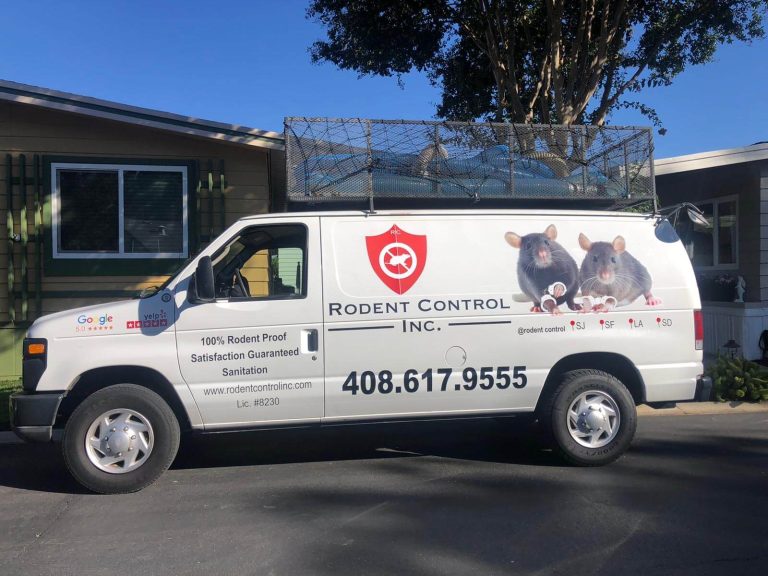
Integrated providers, including firms like Rodent Control Inc. And other local companies that offer both pest control attic cleaning and remediation, are convenient when both infestation and contamination exist. The risk with integrated services is that some firms focus on trapping and not on the detailed cleaning side, or vice versa. Ask for clear scope: who removes contaminated insulation, who seals entry points, what disinfectants are used, and whether HEPA filtration will be used.
Questions to ask before hiring A short interrogation up front saves headaches later. Request written answers to these items before work begins.
Do you use HEPA filtration for vacuuming and negative air management for containment? Will you remove and dispose of contaminated insulation, or only vacuum? Do you perform pest exclusion, or will you coordinate with a pest control company? What disinfectants or encapsulants do you use for biological contamination, and are they safe for HVAC components? Can you provide photographs of the work area before and after, and a written report? Are you licensed and insured, and can you provide references from Los Angeles homes with similar problems? If a company resists any of these questions, treat that as a red flag. Reputable attic cleaning services provide documentation and transparent methods.
DIY precautions and when to call professionals Homeowners can take small steps to reduce allergen loads without full professional intervention. Replace attic access seals with weatherstripping, keep stored items in sealed plastic containers rather than cardboard, and avoid using the attic as a long-term storage of fabrics. A HEPA-filtered portable unit in a bedroom can help while you arrange remediation.
However, call professionals if any of these are present: visible rodent droppings or nests, persistent mold or moisture stains, a lingering pet or rodent odor, or any health symptoms that improve when away from home. Attempts to clean heavy biological contamination without proper PPE and containment can worsen exposure.
Case studies and realistic outcomes Expect measurable improvement, not perfection. In one residential retrofit in Silver Lake, a family of four with chronic allergy symptoms had a professional attic cleaning, removal of 30 square feet of rodent-contaminated insulation, sealing of three eave entry points and HVAC return sealing. They replaced the attic hatch with an insulated, gasketed model. Within two weeks, the family reported fewer night-time congestions and reduced medication use. Air sampling showed a notable reduction in airborne particle counts in occupied rooms, though not to zero. The key outcomes were symptom reduction and fewer spikes during HVAC cycles.
A condominium in North Hollywood with chronic roof leaks required attic drying, remediation of localized mold, and replacement of damp cellulose insulation. The work required cross-trade coordination with a roofer to fix the leak first. This illustrates a common lesson: attic cleaning is often part of a broader repair process, and durable results depend on addressing underlying causes.
How to prioritize attic cleaning among home improvements If you are budgeting home improvements, prioritize attic work in these situations:
You have family members with asthma or moderate-to-severe allergies and you suspect an attic source. You see signs of rodent presence, such as droppings, gnaw marks, or shredded materials. You have recent roof leaks, persistent damp spots, or visible mold. You are replacing an HVAC system or ducts located in the attic, because cleaning while a new system is installed prevents recontamination. For minor dust, a professional HEPA vacuum and sealing of major air paths usually provides the biggest bang for the dollar. For biological contamination, plan for removal and replacement of insulation and pest exclusion.
Choosing the right Los Angeles provider In Los Angeles, look for firms with these qualities: clear, itemized estimates; evidence of HEPA-grade equipment; documented experience with rodent attic cleanup and pest control attic cleaning; and a willingness to coordinate with pest specialists, roofers, or HVAC contractors as necessary. Local companies like Rodent Control Inc. Appear in many searches as providers that integrate extermination with attic cleanup services. Whether you select a firm with that specific name or another competent local contractor, verify that technicians carry appropriate respirators, disposable suits, and that the company follows OSHA and local disposal regulations for contaminated material.
Final considerations and realistic expectations A professionally cleaned and sealed attic reduces allergen sources, but it is not a one-time cure unless you control the underlying drivers: pests, moisture, and migration pathways. Regular inspection and maintenance, sensible storage, and prompt roof repair keep attics from reverting to allergen reservoirs. For families suffering from allergies, investing in attic cleaning and associated repairs is an investment in daily life quality. The difference shows up in fewer nights waking with congestion, lower medication use during peak pollen seasons, and less dust on surfaces where children play. In Los Angeles, where mild climates and pests conspire to make attics busy places, addressing the problem at the source is the most direct route to cleaner air indoors.
Rodent Control Inc.
Los Angeles, CA, United States
+1 (323) 553-5551
[email protected]
Website: https://rodentcontrolinc.com/